
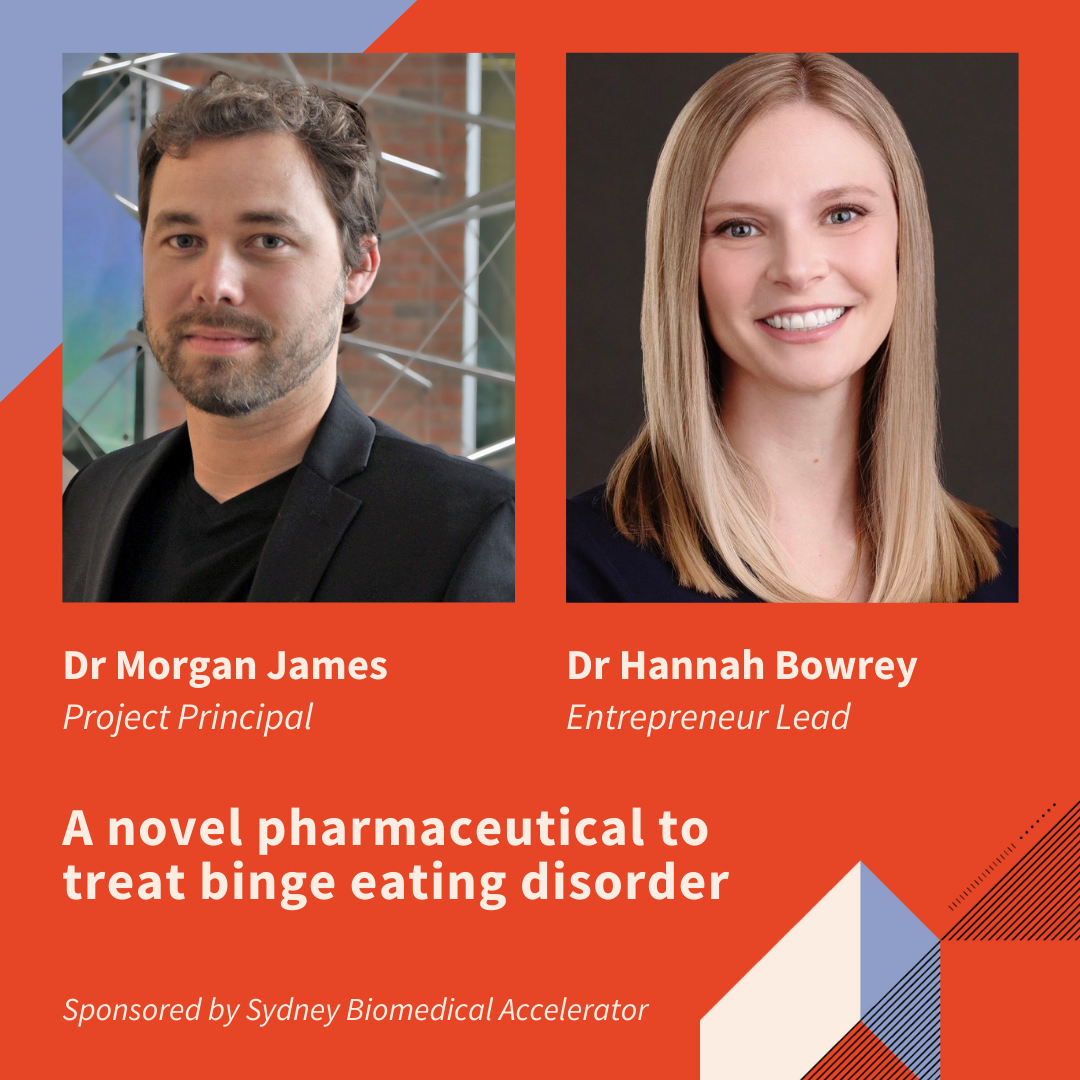
Binge Eating Disorder (BED) is the most common eating disorder, affecting 3–5% of the population. The total addressable market for BED is estimated at $10 billion USD/year in the USA alone. There are two major drivers of BED: 1) Excessive appetite associated with metabolic dysfunction, and; 2) An overwhelming psychological drive to eat, independent of hunger (known as compulsivity). The only approved medication for BED, Vyvanse®, offers modest appetite suppression but fails to address the compulsive drive to eat — resulting in remission for fewer than 40% of patients. GLP-1 receptor agonists, while highly effective at reducing appetite and widely prescribed for obesity, similarly do not treat compulsivity. As a result, the core drivers of BED remain untreated for the majority of patients, representing a massive, underserved clinical and commercial opportunity. We are developing a first-in-class, dualmechanism therapeutic that modifies GLP-1s to also target a second brain system involved in compulsive behaviour. Importantly, this is not a reformulation or a simple combination therapy. It is a new chemical entity (NCE) with a unique composition of matter, enabling robust IP protection and a strong commercial position. This innovation has the potential to provide a breakthrough treatment for BED and associated conditions (eg obesity, diabetes), creating a differentiated product with clear lifecycle-extension opportunities for existing GLP-1 USD 100B portfolios.
Discuss this pharmaceutical innovation and connect with Hannah here.
See more on Morgan's research here.